

Roulette is one of the most recognizable casino games in the world. The spinning wheel, the bouncing ball, and that brief moment of hope before it lands pure drama. If you’re searching for how to play roulette the right way, this guide is for you.
This article explains roulette rules, covers every major roulette betting option, and shares realistic tips based on logic, probability, and trusted casino mathematics. No myths. No fake systems. Just clear facts, light humor, and practical knowledge you can actually use.
What Is Roulette? A Simple Overview
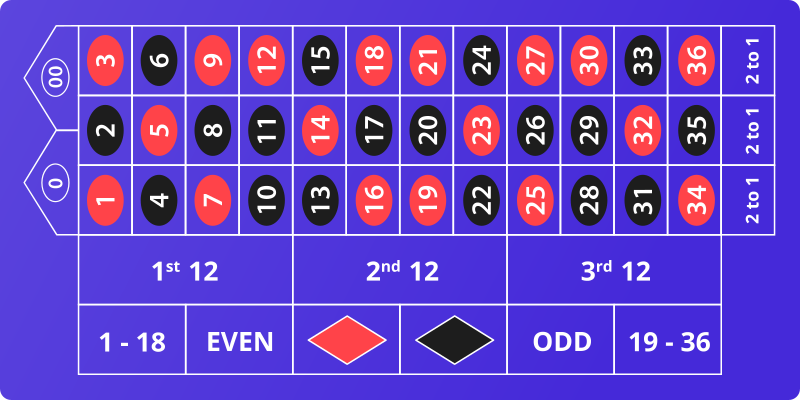
Roulette is a casino game where players bet on where a ball will land on a spinning wheel. The wheel has numbered pockets in red, black, and green.
The dealer spins the wheel in one direction and the ball in the opposite. When the wheel stops, the ball drops into a numbered slot. If your bet matches the result, you win.
Simple? Yes. Predictable? Not at all and that’s the fun.
Understanding the Roulette Wheel
Before placing your first bet, you need to understand the wheel itself. The wheel determines the odds, the house edge, and how fair the game is.
Types of Roulette Wheels
There are three main versions of roulette:
European Roulette
Numbers 1–36
One green zero (0)
Lowest house edge: 2.7%
American Roulette
Numbers 1–36
Green zero (0) and double zero (00)
House edge: 5.26%
French Roulette
Same wheel as European roulette
Special rules that slightly reduce losses on even-money bets
Logic check: If you want better odds, European or French roulette is the smarter choice. American roulette looks exciting, but the extra zero quietly eats your bankroll.
Roulette Rules You Must Know
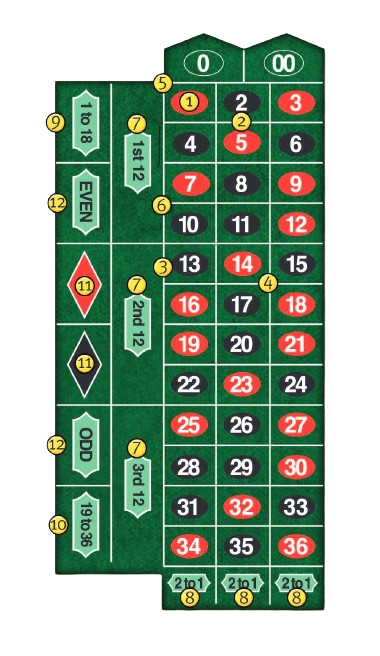 The roulette rules are easy to learn, which is why beginners love this game.
Players place bets on the table.
The dealer spins the wheel.
Betting closes.
The ball lands on a number.
Winning bets are paid out.
Losing bets are collected.
That’s it. No complicated decisions mid-game. No strategies to remember while the clock ticks.
How to Play Roulette Step by Step
If you’re new, follow this simple process.
Step 1: Choose Your Table
Pick European roulette if available. This single decision already improves your chances.
Step 2: Understand the Table Layout
The table shows numbers 1–36, plus zero. Each section allows different types of bets.
Step 3: Place Your Chips
Put chips on the areas that match your chosen bets. You can place multiple bets in one spin.
Step 4: Wait for the Spin
Once the dealer says “no more bets,” hands off the table.
Step 5: Check the Result
If your bet matches the winning number or category, you get paid.
Roulette Betting Options Explained
Understanding roulette betting is the key to playing confidently. Bets fall into two main categories.
Inside Bets: Higher Risk, Higher Reward
Inside bets focus on specific numbers or small groups of numbers.
Straight Up
Bet on one number
Payout: 35:1
Split Bet
Bet on two adjacent numbers
Payout: 17:1
Street Bet
Bet on three numbers in a row
Payout: 11:1
Corner Bet
Bet on four numbers forming a square
Payout: 8:1
Six-Line Bet
Bet on six numbers across two rows
Payout: 5:1
Logic moment: Inside bets feel exciting, but they lose more often. Use them sparingly unless you enjoy high volatility.
Outside Bets: Safer and More Predictable
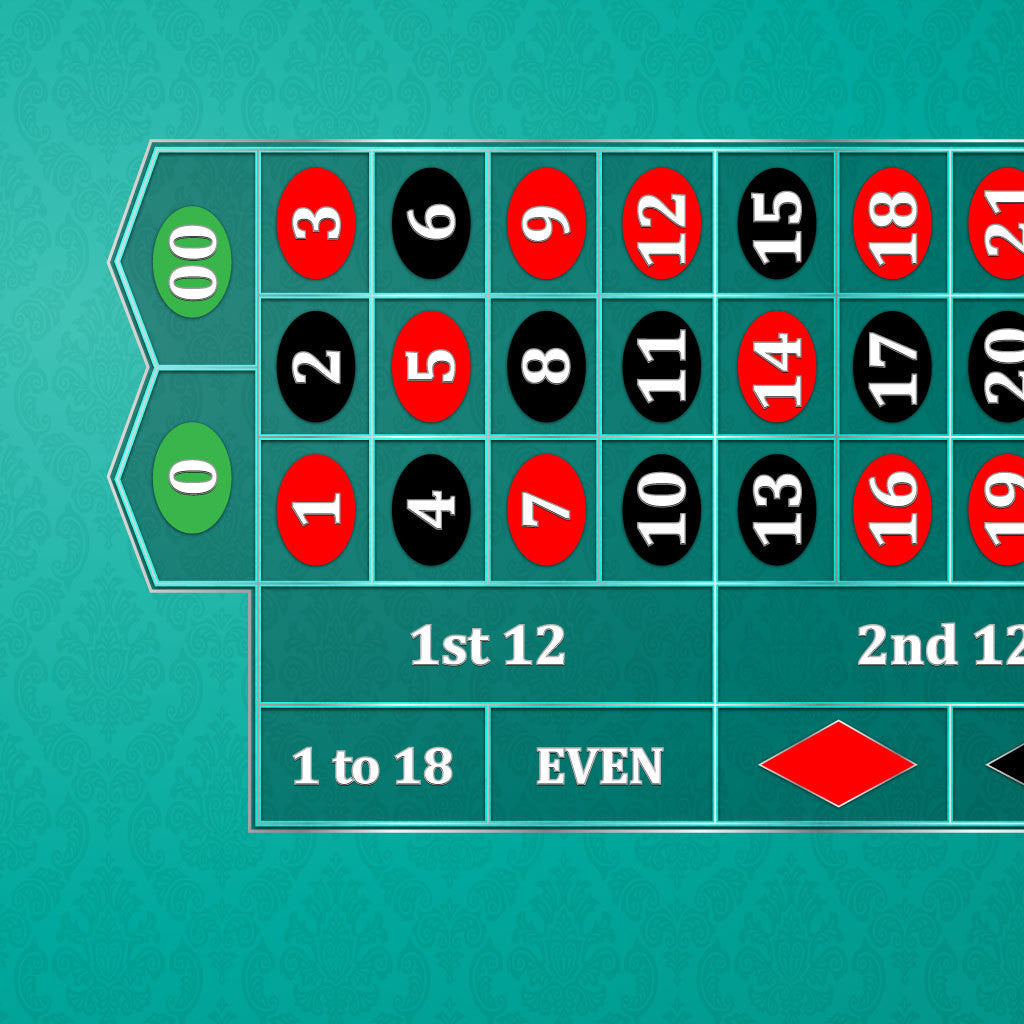
Outside bets cover larger sections of the table and win more frequently.
Red or Black
Almost 50/50
Payout: 1:1
Odd or Even
Covers half the numbers
Payout: 1:1
High or Low
1–18 or 19–36
Payout: 1:1
Dozens
1–12, 13–24, or 25–36
Payout: 2:1
Columns
Vertical sections of 12 numbers
Payout: 2:1
Outside bets are ideal for beginners learning how to play roulette without burning money too fast.
Odds and House Edge: The Math Behind the Wheel
Roulette is a game of chance, not prediction. Every spin is independent.
Here’s what the math says:
European roulette house edge: 2.7%
American roulette house edge: 5.26%
No betting system can remove this edge. If someone claims otherwise, they are selling hope, not math.
Common Roulette Myths (And Why They’re Wrong)
Let’s clear the air.
“The wheel has memory”
False. Past spins do not affect future spins.
“Red is due after five blacks”
Also false. Probability resets every spin.
“There’s a guaranteed roulette strategy”
Nope. Casinos are built on probability, not generosity.
Understanding these myths protects your bankroll and your sanity.
Realistic Winning Tips for Roulette
You cannot beat roulette long-term, but you can play smarter.
Choose European or French Roulette
Lower house edge equals slower losses.
Stick to Outside Bets
They provide longer playtime and smoother swings.
Set a Budget
Decide your limit before you play. Then stop. Your future self will thank you.
Avoid Betting Systems Promising Guarantees
Martingale systems fail when table limits appear and they always do.
Play for Entertainment
If you’re smiling while playing, you’re already winning something.
Online Roulette vs Casino Roulette
Both versions follow the same roulette rules, but the experience differs.
Online Roulette
Faster gameplay
Lower minimum bets
Game history available
Land-Based Roulette
Social atmosphere
Physical wheel and chips
Slower pace
Choose based on comfort, not superstition.
Is Roulette Fair?
Yes, when played at licensed casinos.
Reputable casinos use certified random number generators online and regulated wheels in physical venues. Independent testing agencies audit these systems regularly to ensure fairness.
Transparency builds trust, and trust keeps players coming back.
Responsible Roulette Play
Roulette should never feel stressful. If it does, pause.
Never chase losses
Treat winnings as a bonus, not income
Take breaks
Responsible play is not boring. It’s smart.
How to Play Roulette the Right Way
Learning how to play roulette is easy. Playing it wisely takes understanding.
Know the roulette rules. Choose your roulette betting options carefully. Respect probability. Ignore fake systems. Enjoy the ride.
Roulette isn’t about beating the casino. It’s about enjoying a classic game with clear rules, honest odds, and a touch of drama.
And remember sometimes the best win is walking away with your bankroll and your smile intact.



0 Comments